World at risk, India on alert: The dangerous realities of plunging fertility rates
Visualisation
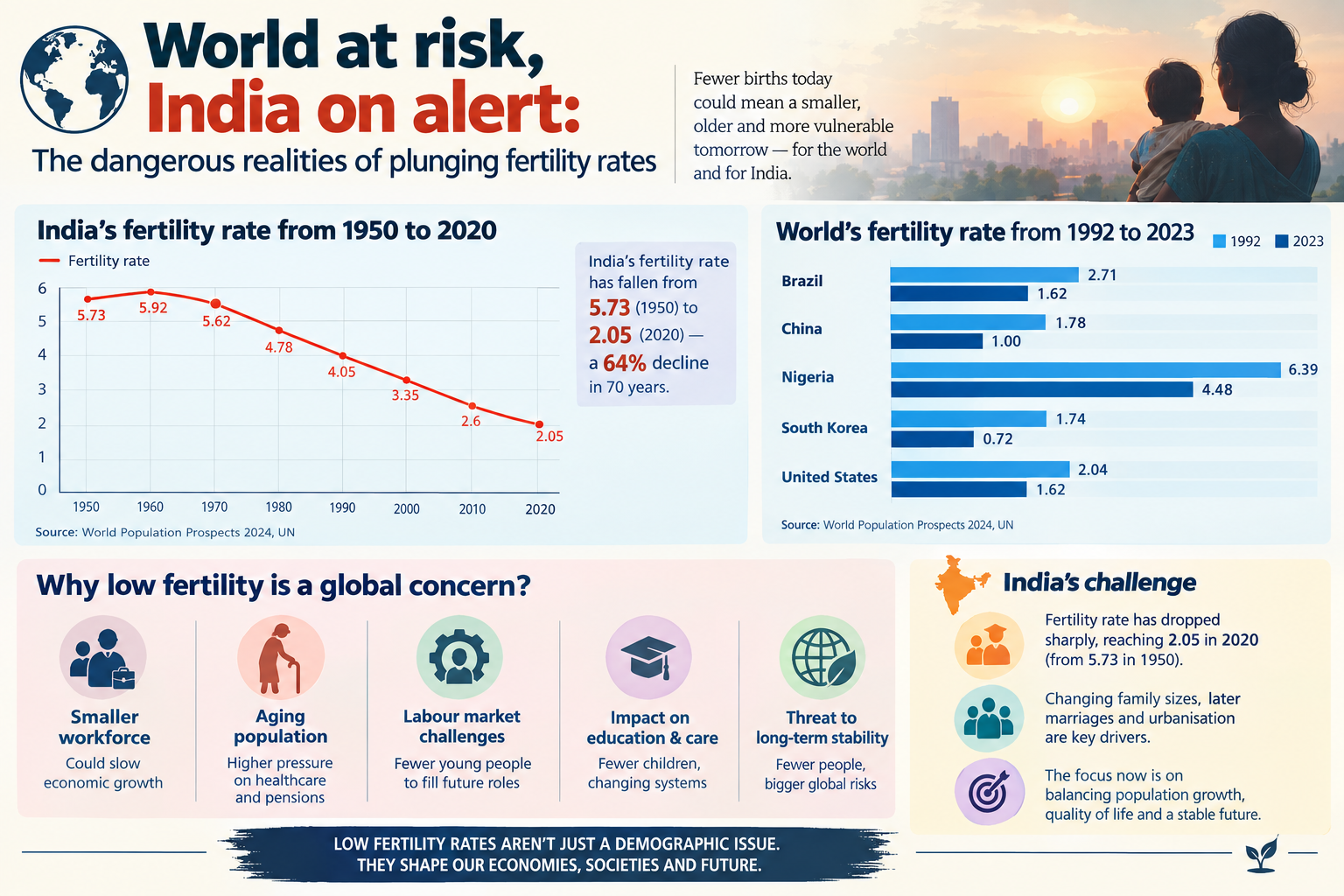
At a Glance
India’s population story is entering a new phase. After decades of worrying about too many people, the country now faces a different demographic reality: fewer births and a future of smaller younger generations. Its total fertility rate has fallen to 1.9, below the replacement level of 2.1. The shift reflects progress in education, healthcare and reproductive choices, but it also raises questions about the workforce, ageing and economic growth.
Across the world, countries are moving through this transition at different speeds. Some are already losing young workers, while others still have rapidly growing populations. India stands at a crucial point between these two realities. Its large working-age population offers an important economic opportunity, but the window to turn that advantage into sustained growth will not remain open indefinitely.
In India, RSS chief Mohan Bhagwat has repeatedly drawn attention to the issue. In December 2024, he warned that fertility falling below 2.1 could threaten the survival of societies and languages. In August 2025, he called for families to ideally have three children, arguing that demographic balance matters for the country’s future. His remarks have brought the falling fertility debate into wider public discussion. The question now is whether India can use its present demographic advantage to prepare for a future that will look very different from its population's past.
A world moving towards fewer births
India is not alone in facing this change. According to the United Nations’ World Population Prospects 2024, global fertility has fallen substantially from the levels seen in the second half of the 20th century. More than half of the world’s population now lives in countries where fertility is below the replacement level. The decline is most advanced in East Asia and Europe, while fertility remains considerably higher across much of sub-Saharan Africa.
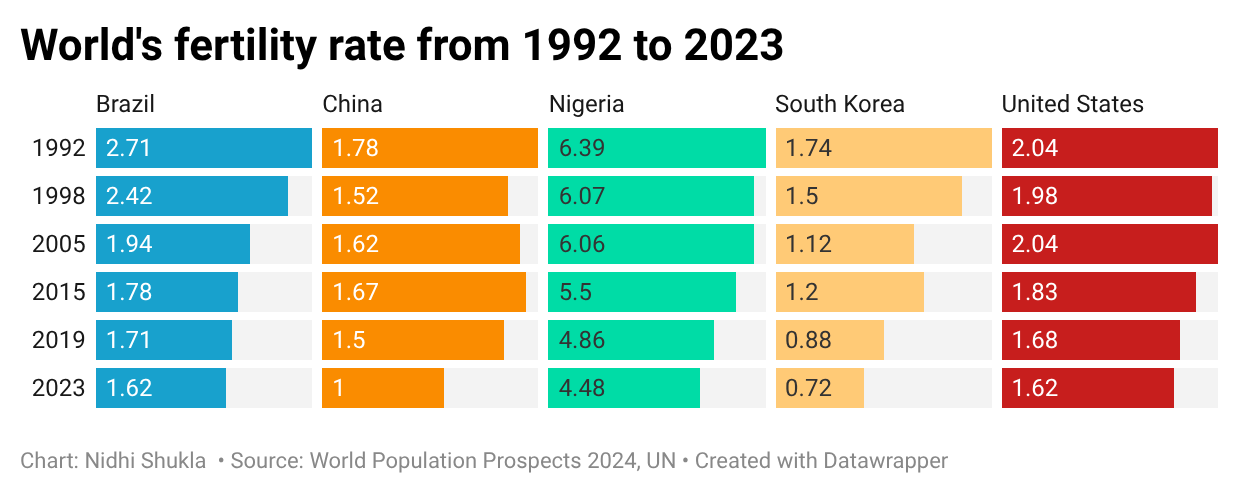
Chart 1. https://www.datawrapper.de/_/49mbw/?v=2
South Korea illustrates the end of the transition. Its fertility rate fell to 0.72 in 2023, the lowest recorded level among countries. Although a modest recovery has since been reported, it remains far below replacement. The country faces a shrinking pool of young people, rising pension pressures and a growing need to support its elderly population.
China, once associated with rapid population growth, now faces a different demographic reality. Its one-child policy, introduced in 1980 and relaxed over time, contributed to a sharp reduction in family size. However, the present decline also reflects urban living costs, delayed marriage, changing family choices and the economic pressures of raising children. China’s population has begun to decline, making its experience relevant to other countries approaching low fertility.
Brazil provides another example of a rapid demographic transition. Fertility has fallen sharply as urbanisation, education and changing family patterns have spread. Nigeria, by contrast, still has a relatively high fertility rate, although it has declined from more than six children per woman in the early 1990s to around four or more in recent years. Its large young population gives it a different demographic outlook from China or South Korea.
The United States offers another response: migration has helped support population growth and the workforce despite fertility below replacement. However, migration cannot automatically solve every demographic problem. Countries must also create jobs, provide housing, and integrate new workers.
India’s long demographic transition
India’s fertility decline has unfolded over several generations. During the 1950s and 1960s, the average woman had around five or more children. The rate declined to 4.05 in 1990, around 2.6 in the early 2000s, and approximately 2.0 by 2023. The Sample Registration System’s 2024 report has since placed India’s TFR at 1.9, below the replacement level. These figures show the direction of change, although different surveys and reference years produce slightly different estimates.
Several factors explain this transition. Urbanisation reduced the economic value of large families, while education and better healthcare expanded women’s choices. The economic reforms of 1991 opened new opportunities and changed aspirations. Migration for work, rising living costs and greater investment in children’s education also encouraged smaller families.
Marriage is taking place later for many people, and career plans increasingly influence family decisions. In earlier generations, early marriage and limited educational opportunities often led to larger families. Today, young couples face a different set of priorities, including housing, professional growth and the cost of raising children.
The decline in fertility reflects progress in several areas. Better maternal healthcare, contraception, female education and greater control over reproductive choices have helped women decide when and how many children to have. A lower fertility rate should not automatically be treated as a social failure. The concern arises when births fall so far that societies struggle to maintain their workforce, care systems and economic momentum.
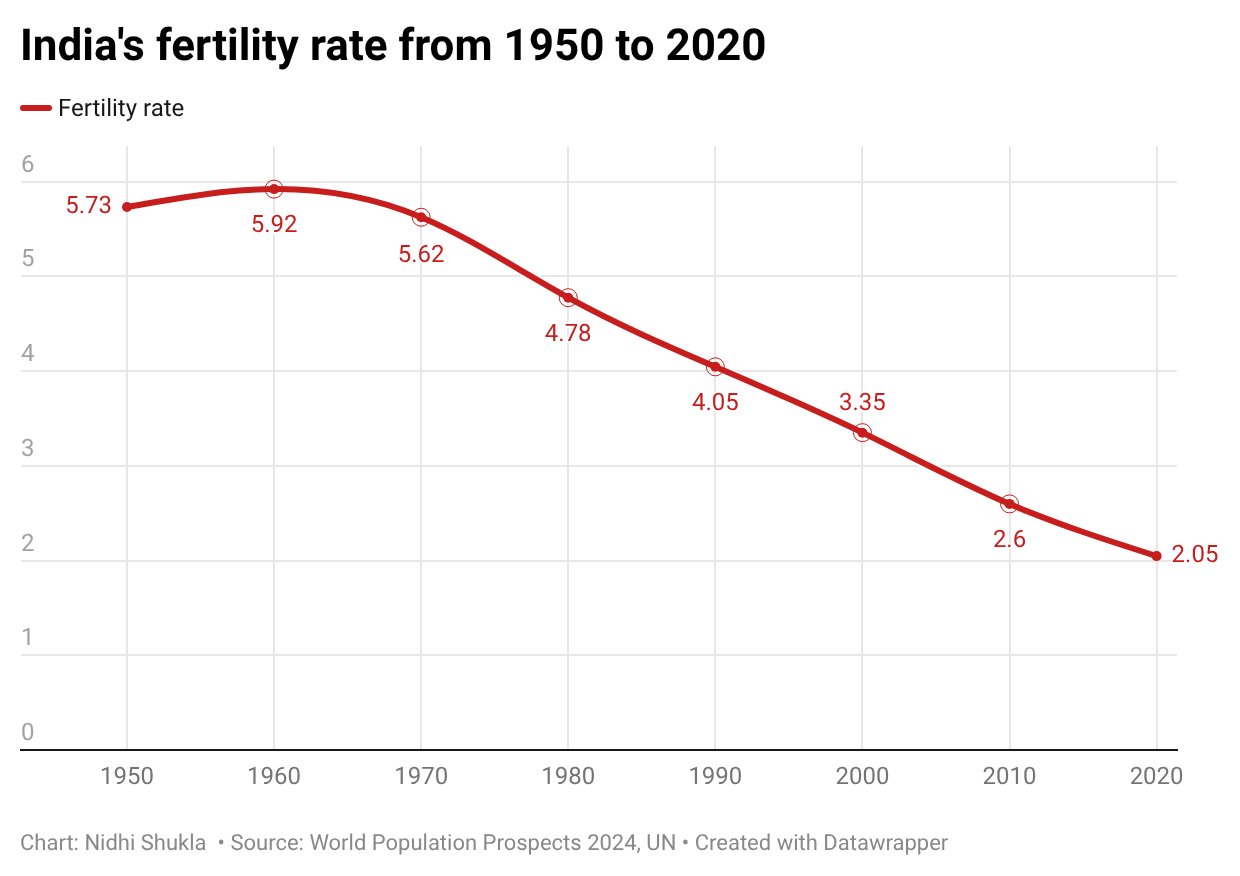
Chart 2. https://www.datawrapper.de/_/DNi01/
The economic cost of an ageing India
The consequences of low fertility take time to appear. A fall in births today does not immediately reduce the workforce. Children born in one decade enter employment many years later. However, if smaller birth cohorts continue over time, the number of young workers will eventually decline.
This creates pressure on pensions, healthcare and social support systems. A larger elderly population requires more care, while a smaller working-age population may have to support a greater number of dependants. Businesses could face labour shortages, and governments may need to spend more on health and elderly care.
But a young population is not automatically an economic advantage. India’s demographic dividend depends on education, skills, jobs and workforce participation. If young people remain underemployed, the size of the working-age population alone cannot guarantee growth. Conversely, higher productivity, technology and greater participation by women can help economies manage demographic ageing.
This distinction matters for India. The challenge is not simply to increase the number of births. It is to ensure that the people entering the workforce are healthy, skilled, and able to find productive employment.
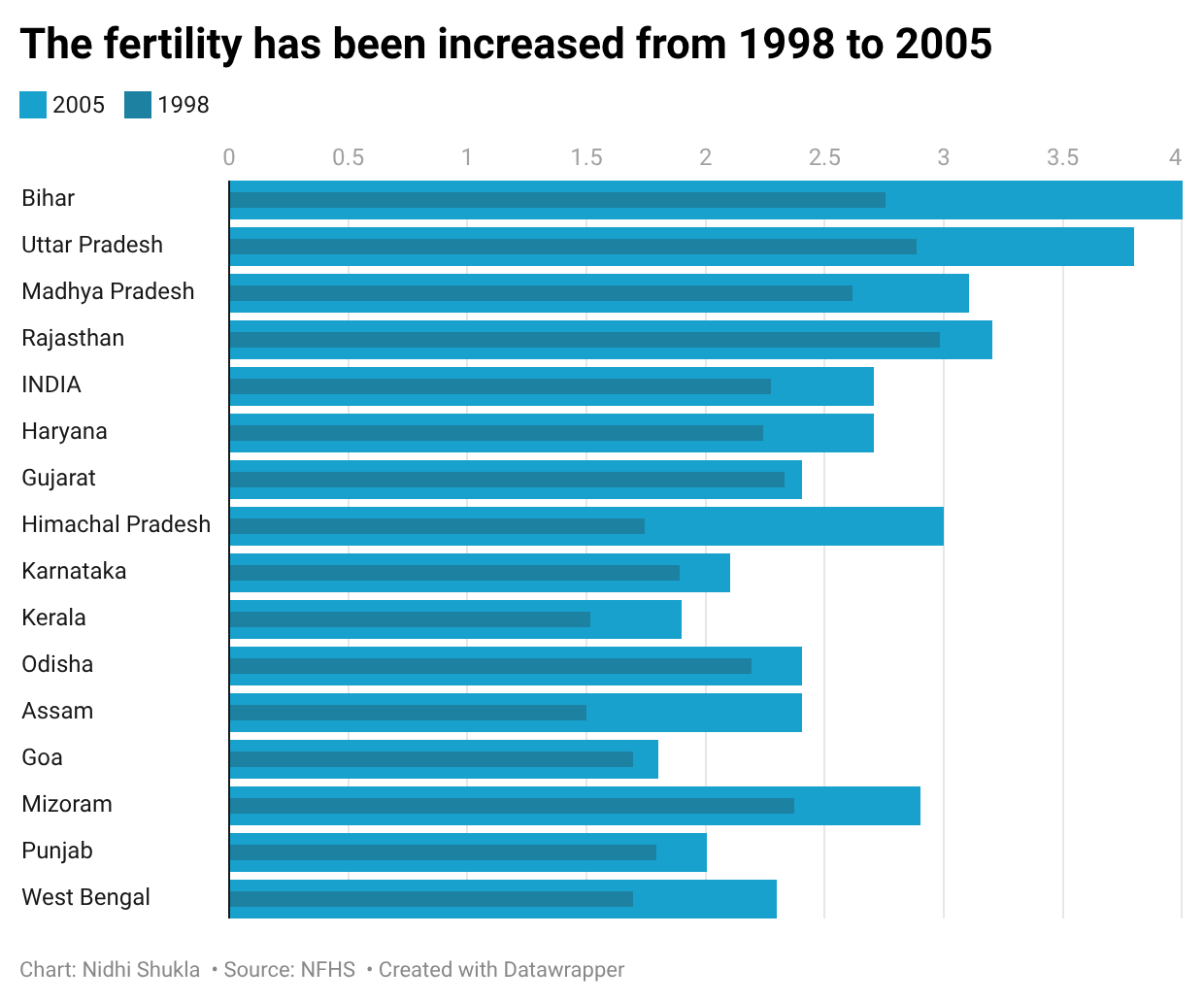
https://www.datawrapper.de/_/UaZq8/
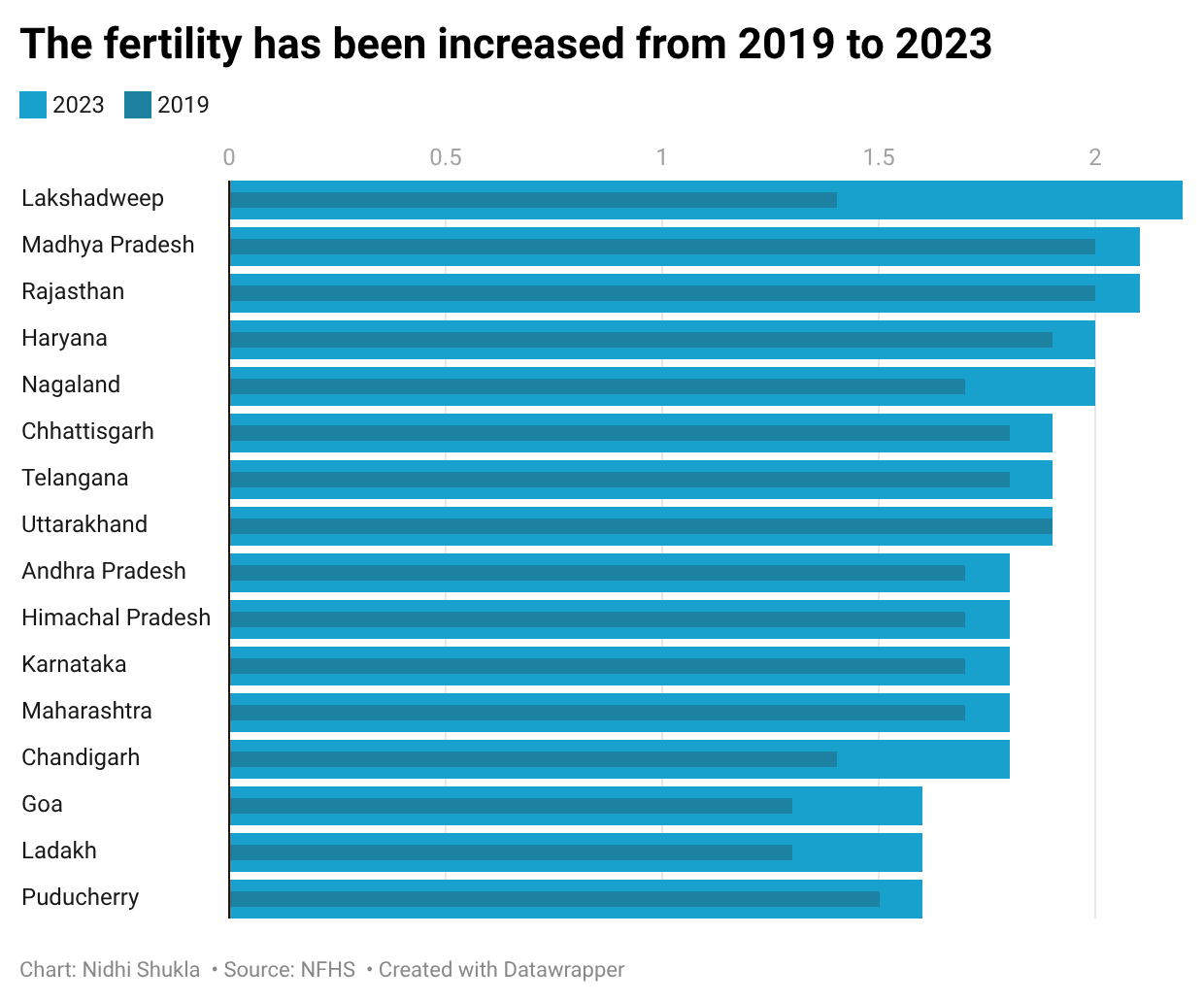
Can countries reverse the trend?
The experience of South Korea and China shows how difficult it can be to raise fertility once family size has remained low for a long period. Financial incentives alone have not produced a lasting reversal. Housing costs, job insecurity, childcare responsibilities, education expenses and changing social expectations all influence decisions about marriage and children.
India must therefore prepare for two demographic realities at once. It needs to use its present working-age population to create jobs, raise productivity and expand women’s participation in the economy. At the same time, it must strengthen healthcare, pensions and social support for an ageing population.
Technology can help offset some labour shortages through automation and productivity gains. Migration within India can help connect workers with employment opportunities. Policies supporting young families, affordable housing, childcare and work-life balance may also help people who want children but face financial or social barriers.
The global fertility transition does not mean that every country will experience the same crisis. Some nations will continue to grow for decades because of their young populations, while others will age and shrink. India’s position is distinctive: it still has a large working-age population, but its fertility decline means the demographic advantage will eventually change.
The task is to prepare before that change becomes an economic constraint. The world is moving from a period of population expansion towards one of slower growth and ageing. India’s opportunity lies in using its present demographic strength wisely, while building institutions capable of supporting a future with fewer births.
Sources
Frequently Asked Questions
Why is India’s fertility rate falling?
It dropped to 1.9 because of better female education, improved healthcare, rising urban living costs, delayed marriages, and couples prioritizing career growth.
What are the main economic risks of this decline?
In the future, a smaller workforce will have to support a much larger elderly population, which will strain pensions, healthcare, and tax systems.
Does a large youth population guarantee economic growth for India?
No. A large youth population only helps if young people are healthy, skilled, and productively employed, rather than underemployed.
How are other countries handling below-replacement fertility?
The US uses migration to support its workforce, East Asian countries like South Korea and China face rapid shrinking and aging, while Nigeria still maintains a high youth population.